Malam Sama Kembar Priority & Survival Tiers
Rank what to grab first, where to hide, and which risks sink a run.
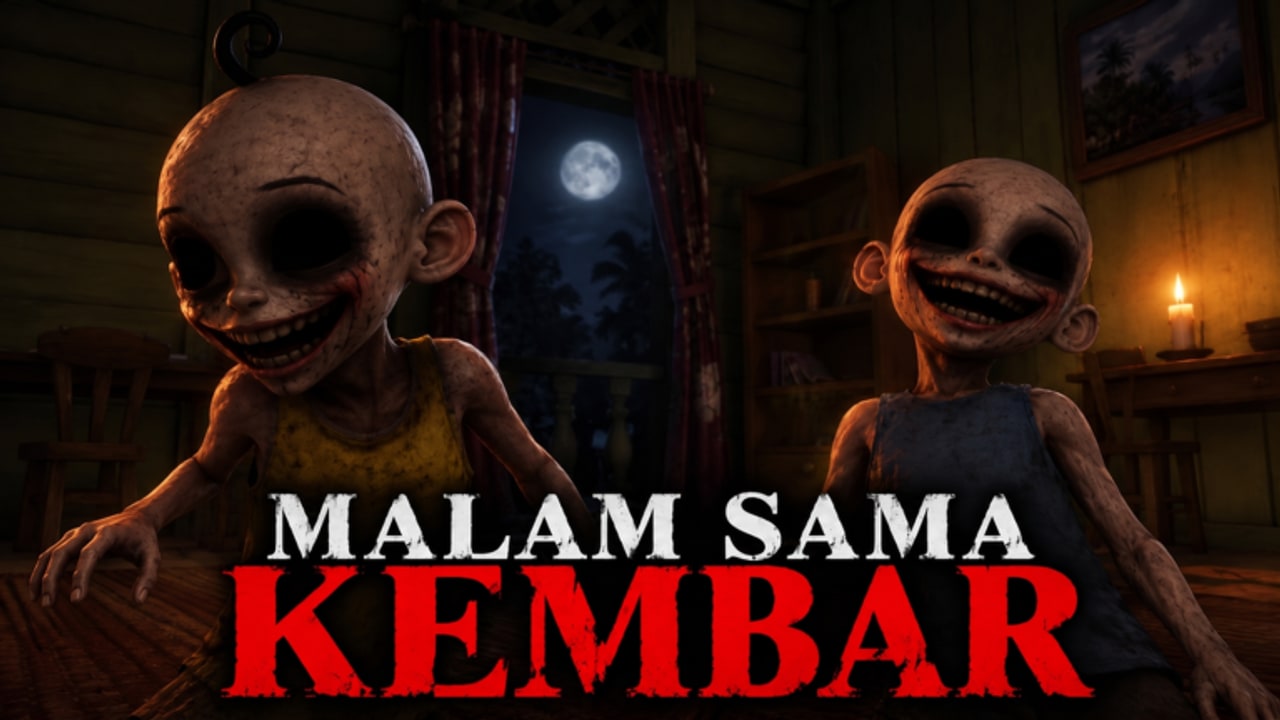
Malam Sama Kembar does not use a classic class or unit gacha roster. Your “meta” is objective order, hiding discipline, and risk management while the twins hunt you inside Opah’s house. This Tier List Hub ranks those soft systems the way players actually search: what should I do first, where should I break line of sight, and which mistakes end a run?
Servers hold up to 25 players. More bodies can split twin attention — or create traffic jams at the same key spawn. Treat every tier as guidance for Version 1.3 WIP, not a permanent law. When Phoenix5278 / My.. group retunes spawns or AI, we will refresh the child pages under Updates.
What we rank (and what we do not)
We rank
- Escape objectives by urgency and dependency (keys → CODE → crowbar → exit)
- Hiding spots and break tools by reliability under chase pressure
- Player habits by how often they cause wipes (noise, greed, clustering)
We do not invent
- Fake character classes or rarity banners the game does not ship
- Pay-to-win weapon tiers that are not part of the core loop
For twin behavior and house layout lore, use the Players Hub, Upin and Ipin, and Opah’s House pages. For execution, stay inside Guides.
Featured tier pages
Objective Priority
S-tier early goals versus luxuries you can ignore until the door is ready. Covers the four keys, the CODE, the crowbar, and when to rotate toward escape instead of vacuuming every room. If your team keeps dying with three keys and no exit plan, start here.
Hiding Spots
Wardrobes, corners, sound discipline, and “fake safe” zones that look good until the twins path through. Pairs with Survive the Twins for chase timing and with How to Escape for endgame routing.
How to read the letter grades
- S — Do this almost every successful run; skipping it tanks clear rate.
- A — Strong default; situationally skip only with a clear plan.
- B — Useful, but not worth dying for mid-chase.
- C — Optional flavor or high-variance plays.
- D / F — Common traps: greed, stacking, or noisy mistakes.
Grades assume a mixed lobby. Solo clears (see Full Walkthrough) lean harder on quiet movement and single-player key routes. Duo or full servers can assign roles: one player watches stairs while another cracks a padlock.
Risk ladder snapshot
- Low risk — Quiet room sweeps before the twins fully aggro; reading the CODE note in a cleared wing.
- Medium risk — Crossing open halls with incomplete keys; checking a wardrobe you have not pre-scouted.
- High risk — Crowbar / final door attempts while a twin is mid-chase; clustering five players on one key.
- Run-ender — Ignoring audio cues, trapping teammates in dead ends, or burning time on cosmetics while the exit is ready.
Combine this ladder with Getting Started if you are brand new, then graduate to specialized guides once you survive your first night.
Related reading
- Find Keys and Code
- Survive the Twins
- How to Escape
- Codes Hub — redeemables are separate from tiers
- Version History — balance context for WIP 1.3
Use these lists as a shared language with friends (“S-tier: finish CODE before crowbar greed”) so voice chat stays short when footsteps approach.
Frequently Asked Questions
Quick answers for keys, codes, twins, and escapes.
Does Malam Sama Kembar have character class tiers?
No meaningful class meta is documented for the core escape loop. This hub ranks objectives, hiding, and risk instead.
What should I prioritize first?
Follow Objective Priority: secure key progress and the CODE before high-risk crowbar / exit plays.
Where are the best hiding spots?
See the graded breakdown on Hiding Spots and practice with Survive the Twins.
Do tiers change after updates?
Yes. The game is WIP Version 1.3. Recheck this hub and Updates after balance patches.
Is solo priority different from a full 25-player server?
Solo favors stealth and efficient routes; full servers can split roles but create congestion. Both still need keys, CODE, crowbar, and exit discipline.